The spread of Coronavirus (COVID-19) has revived attention in the Palestinian health apparatus and its structure, capabilities, resilience during disasters, the nature of the health insurance system and joint obligations and responsibilities that underlies it. The quality of health services is the goal of the Palestinian health system. Thus, the government tries to provide various health services in the institutions…
Climate Change: a Tertiary Concern for Arab Citizens
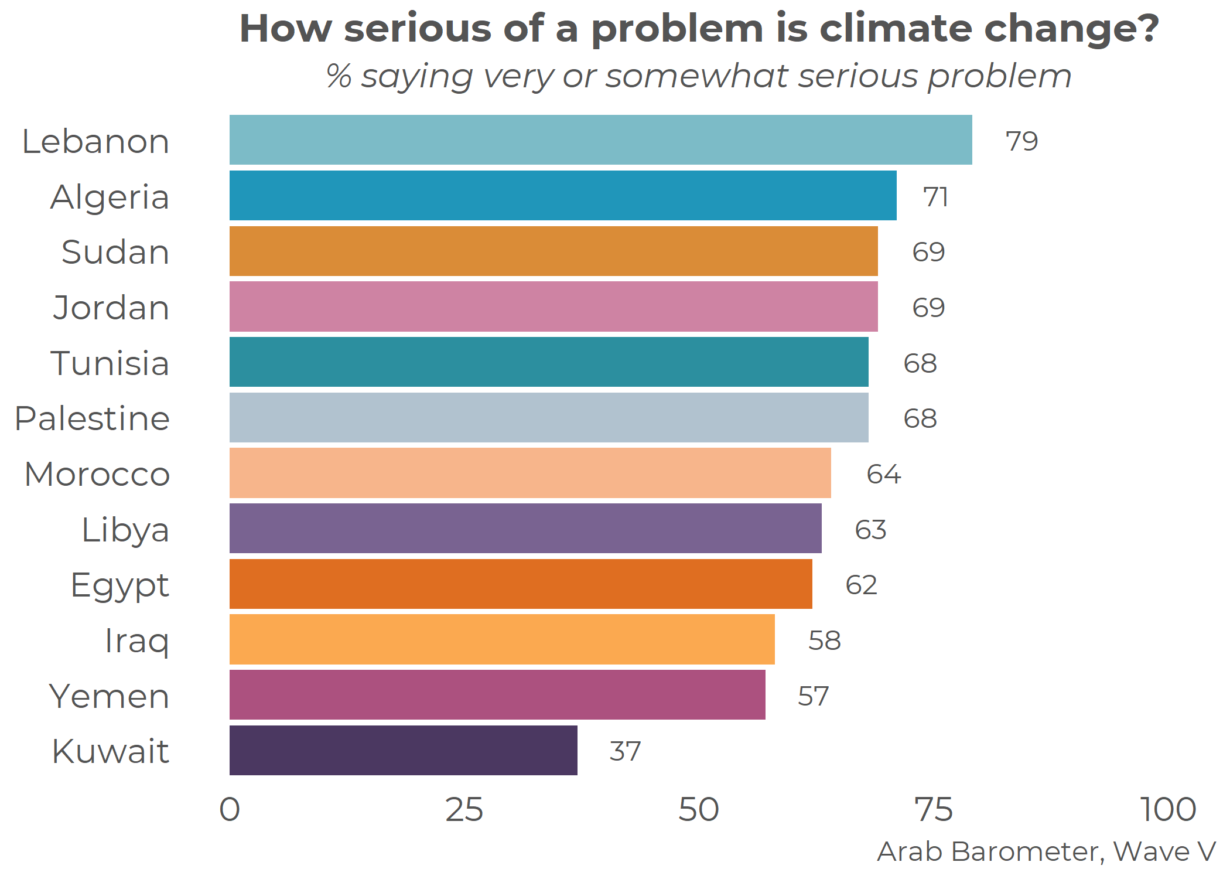
Climate change poses one of the most serious threats to the Middle East and North Africa. A largely water scarce region, environmental deterioration threatens precipitation cycles, food supply, public health, and more. In fact, the results of Arab Barometers’ fifth wave of surveys show that a majority of citizens view climate change as a cause for concern. In Lebanon, nearly…
Is the MENA Region Becoming Less Religious? An Interview with Michael Robbins
In late 2019, the research network Arab Barometer released the results of new polling surveys that show that there has been a decline religious faith and trust in religious parties across the Middle East and North Africa. Naman Karl-Thomas Habtom, a graduate student at Cambridge University and Senior Vice President of the Cambridge Middle East and North Africa Forum, recently had…
PEER REVIEW: Arab Barometer
The Arab Barometer is a nonpartisan research network, hosted at Princeton University, which provides insight into the social, political, and economic attitudes and values of people across the Arab world. They have been conducting high quality and reliable public opinion surveys in the MENA region since 2006 and make the data publicly available (free of charge) on their website. The Arab Barometer is currently updating…
FACT SHEET: WORLD HEALTH DAY
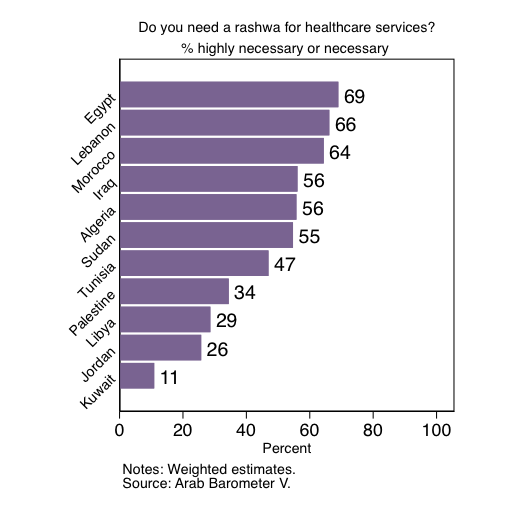
Background In the fifth and latest wave of the Arab Barometer, we asked over 25,000 citizens throughout the Middle East and North Africa a series of questions related to World Health Day, including questions relating to evaluations of the healthcare system, and to environmental health issues. The following factsheet sets out some of the main findings and links to wider…
Egypt’s Sexual Harassment Problem: Encouraging Reporting as a Possible Remedy
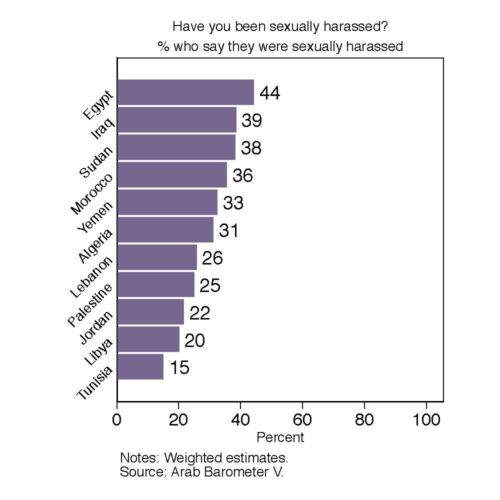
Sexual harassment (SH) is a serious problem in Egypt. In the Arab World, Egypt ranks first in SH: the Arab Barometer’s fifth wave finds that within a twelve month period, 42 percent reported some verbal harassment and 29 percent reported some physical harassment across genders. The problem is particularly acute for women, with 63 percent of women reporting some form…
Freedoms and Retrenchment in MENA
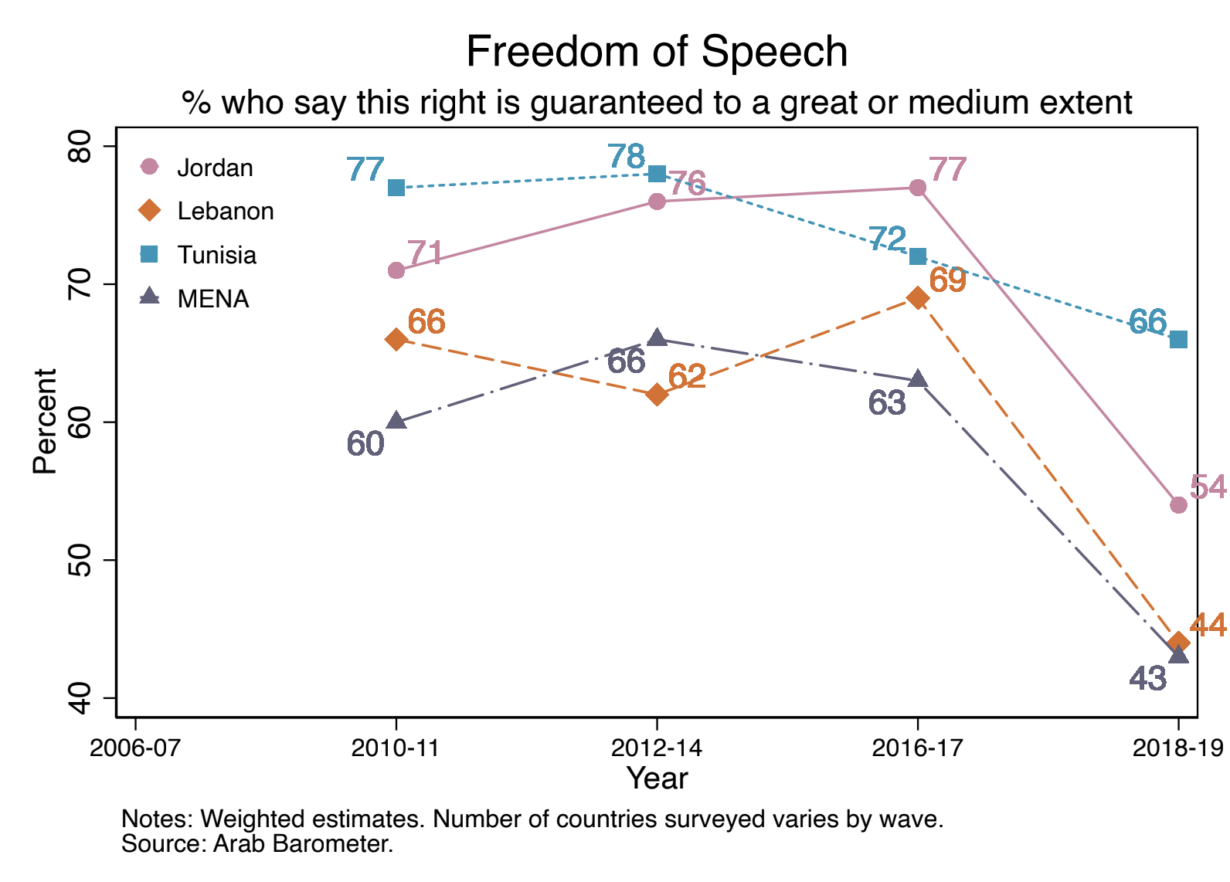
Over the last year a number of peaceful protests have been met with violence by authorities across the Middle East and North Africa. However, even before the most recent protests, evidence suggests that citizens across MENA enjoyed far fewer basic rights than in the years following the Arab uprisings of 2011. Results from Arab Barometer make clear that the degree…
Water Pollution Worries in MENA
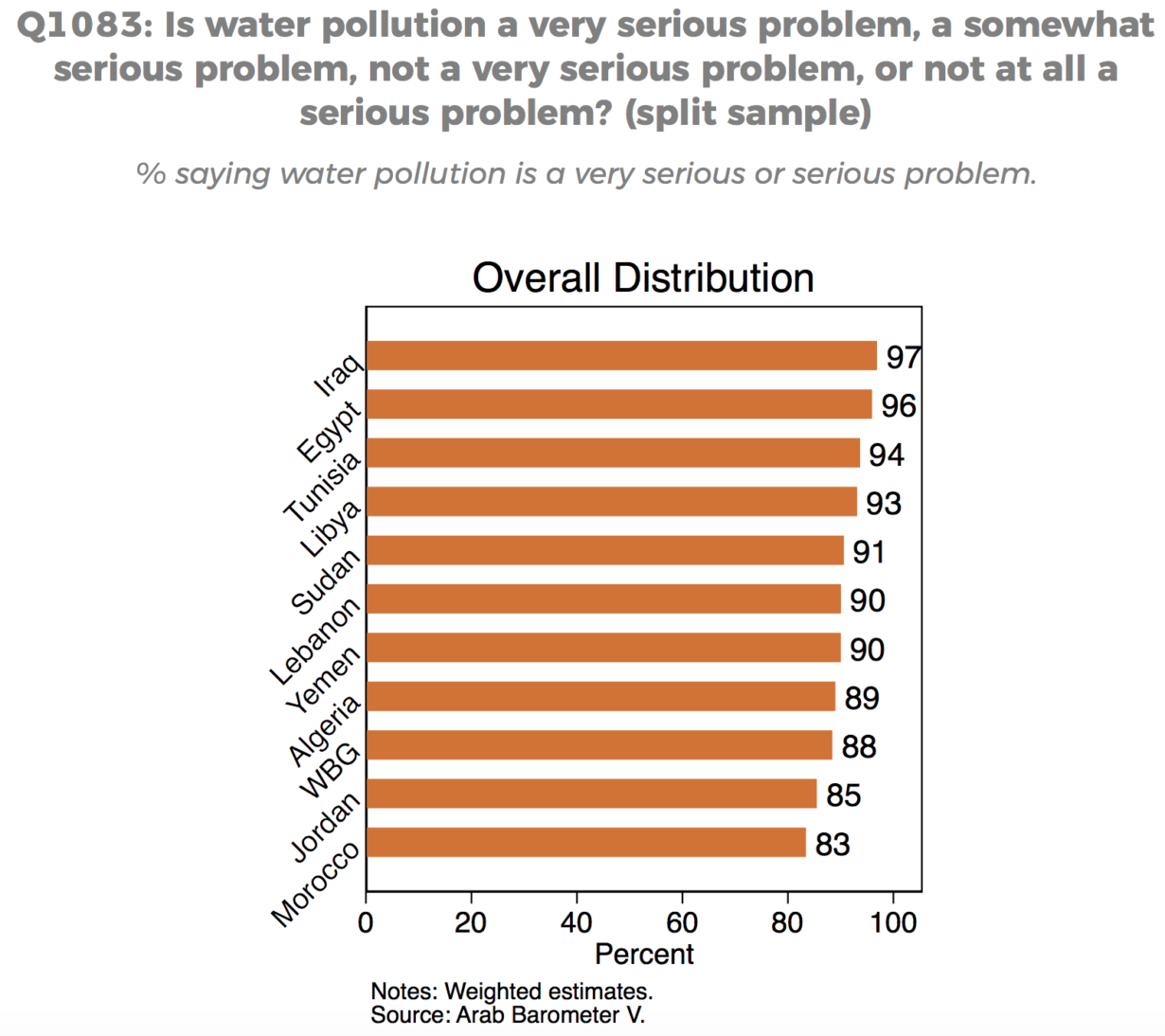
While seemingly endless conflicts in the Middle East and North Africa are at the fore of Western media coverage, a less conspicuous but arguably as influential factor has played a pivotal role in stoking existing tensions, fomenting unrest, and destabilizing daily life. Water, and more specifically access to clean sources of water, shapes conflicts throughout the region. From Saudi-led blockades…
Egyptian Youth are Dissatisfied with Their Education System
Around the world, students graduating from university worry about finding good jobs. Graduates from Egypt have a little more cause for concern than many of their peers: investing their time and money in higher education has statistically lowered their chances of finding employment. According to the European Training Foundation, in 2016, unemployment for youth in Egypt aged 15-24 was 11.3…
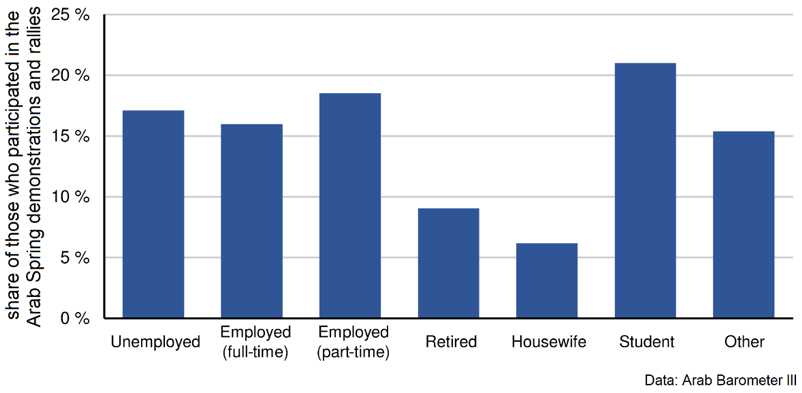
Unlike assumed, the unemployed were relatively passive protesters in the Arab Spring uprisings
According to the narrative echoed among journalists, analysts, and academics, the frustrated unemployed were an important driving force behind the so-called Arab Spring uprisings. Based on my recent research article , the role of unemployment behind the Arab Spring, however, does not seem that crucial. The graph above shows the share of those who participated in the Arab Spring protests…
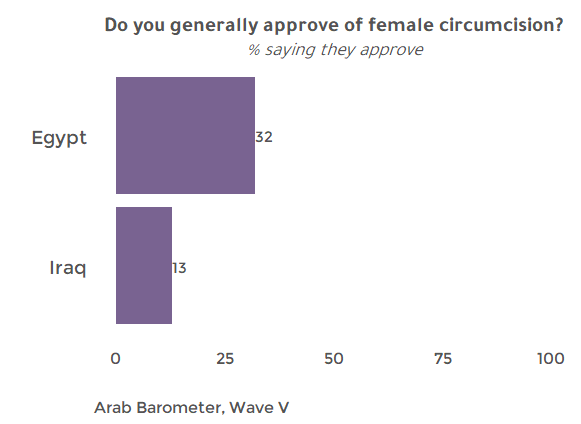
Fact Sheet: DO CITIZENS OF EGYPT AND IRAQ APPROVE OF FEMALE CIRCUMCISION ?
Background In the fifth and latest wave of the Arab Barometer, we asked citizens of Egypt and Iraq – around 2,400 in each country- if they generally approve of female circumcision. The following factsheet sets out some of the main findings and links to wider information where it is available. Key facts and figures APPROVAL OF FEMALE CIRCUMCISION IN EGYPT…
Fact Sheet: Are Arab Citizens Satisfied With The Education System?
Background In the fifth and latest wave of the Arab Barometer, we asked over 25,000 citizens throughout the Middle East and North Africa to evaluate their satisfaction level with the education system in their country, and to report on their perception of corruption — in particular, the perceived need to pay a bribe to access better educational services. The following…
Topics
- Charity3
- Corruption121
- COVID-1969
- Democracy48
- Discrimination15
- Economy240
- Education58
- Environment38
- Extremism19
- Freedoms57
- Gender Issues163
- Governance267
- Health49
- International Relations211
- Labor Market37
- Media32
- Migration69
- Political Institutions217
- Political Participation40
- Political Systems75
- Refugees7
- Religion122
- Security46
- Social Justice45
- Wellbeing3
- Youth78