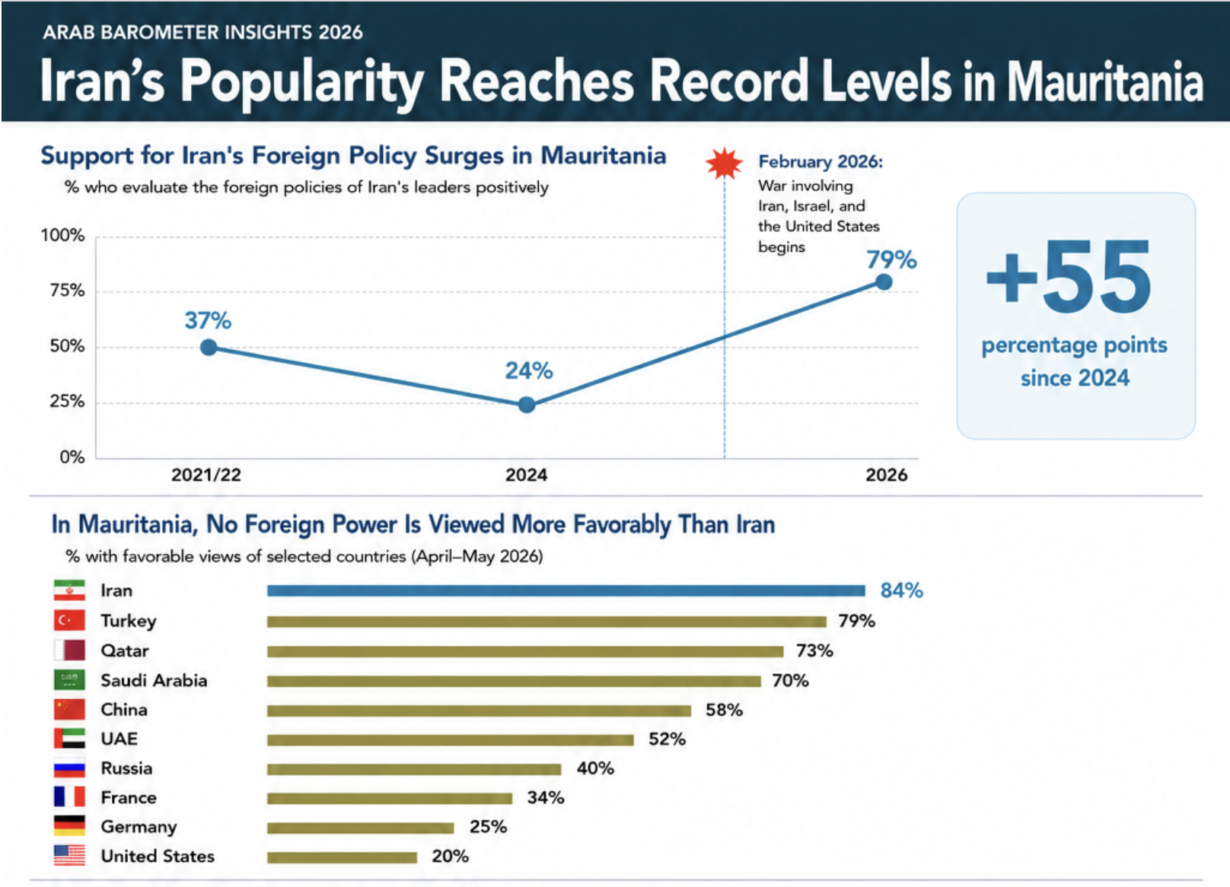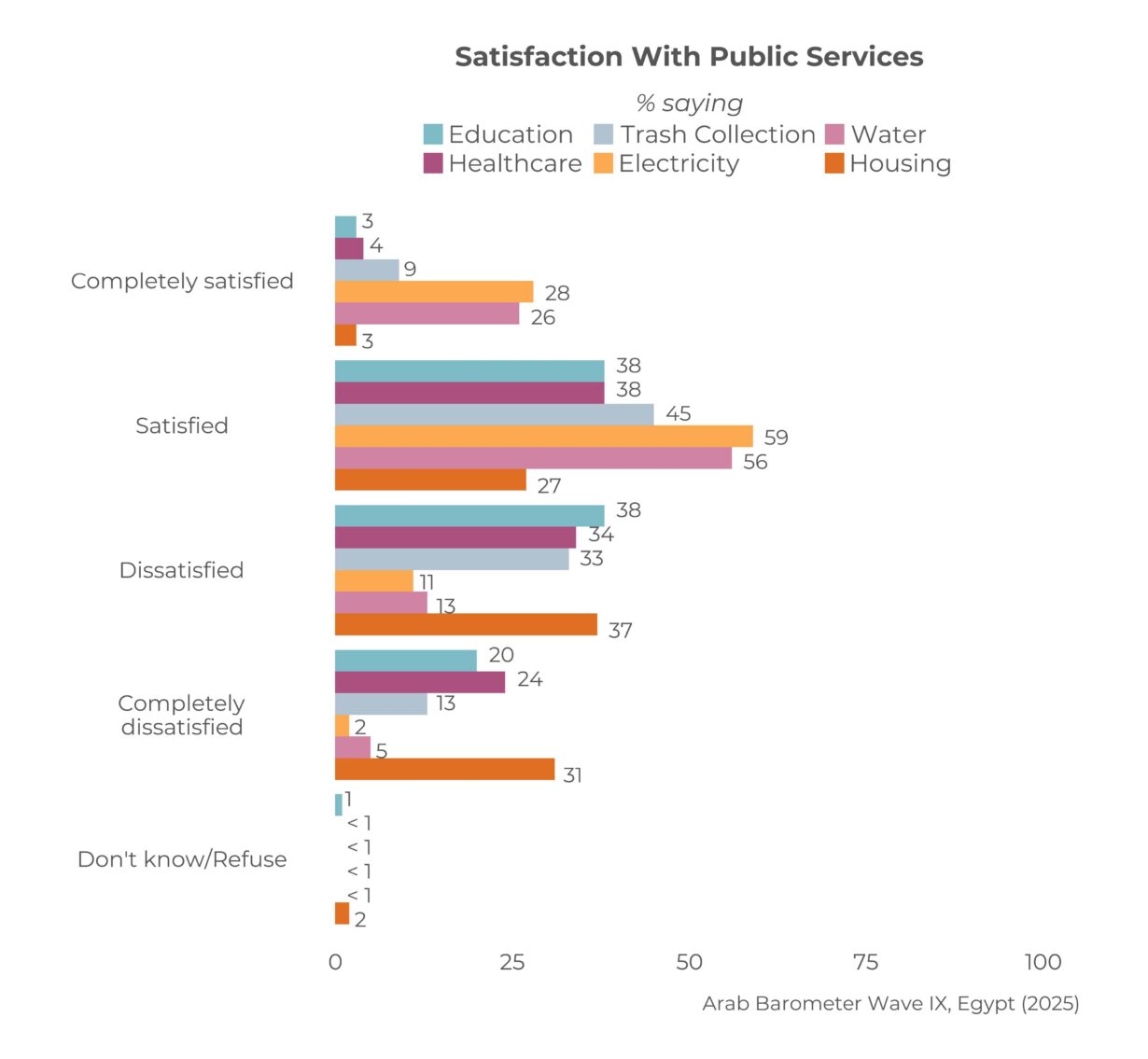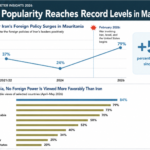
As the war involving Iran, Israel, and the United States continues to reshape the Middle East, data from recent public opinion surveys conducted in fall 2025 by Arab Barometer shed light on how publics across the Middle East and North Africa (MENA) are weighing threats, alliances, and changes in the region. Across the Arab world, many still see Iran’s nuclear…
Higher Costs, Harder Choices: Food Insecurity in MENA
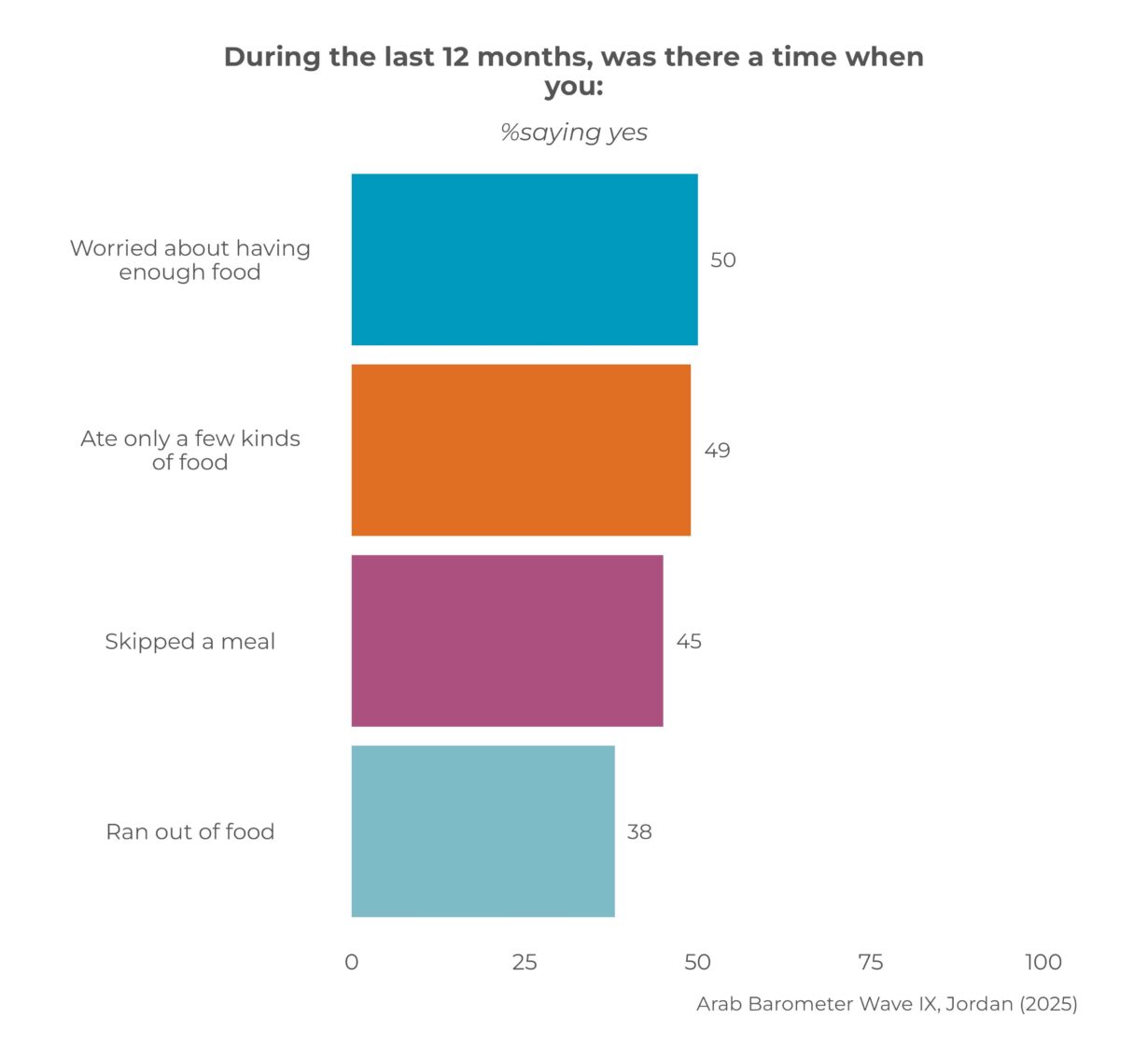
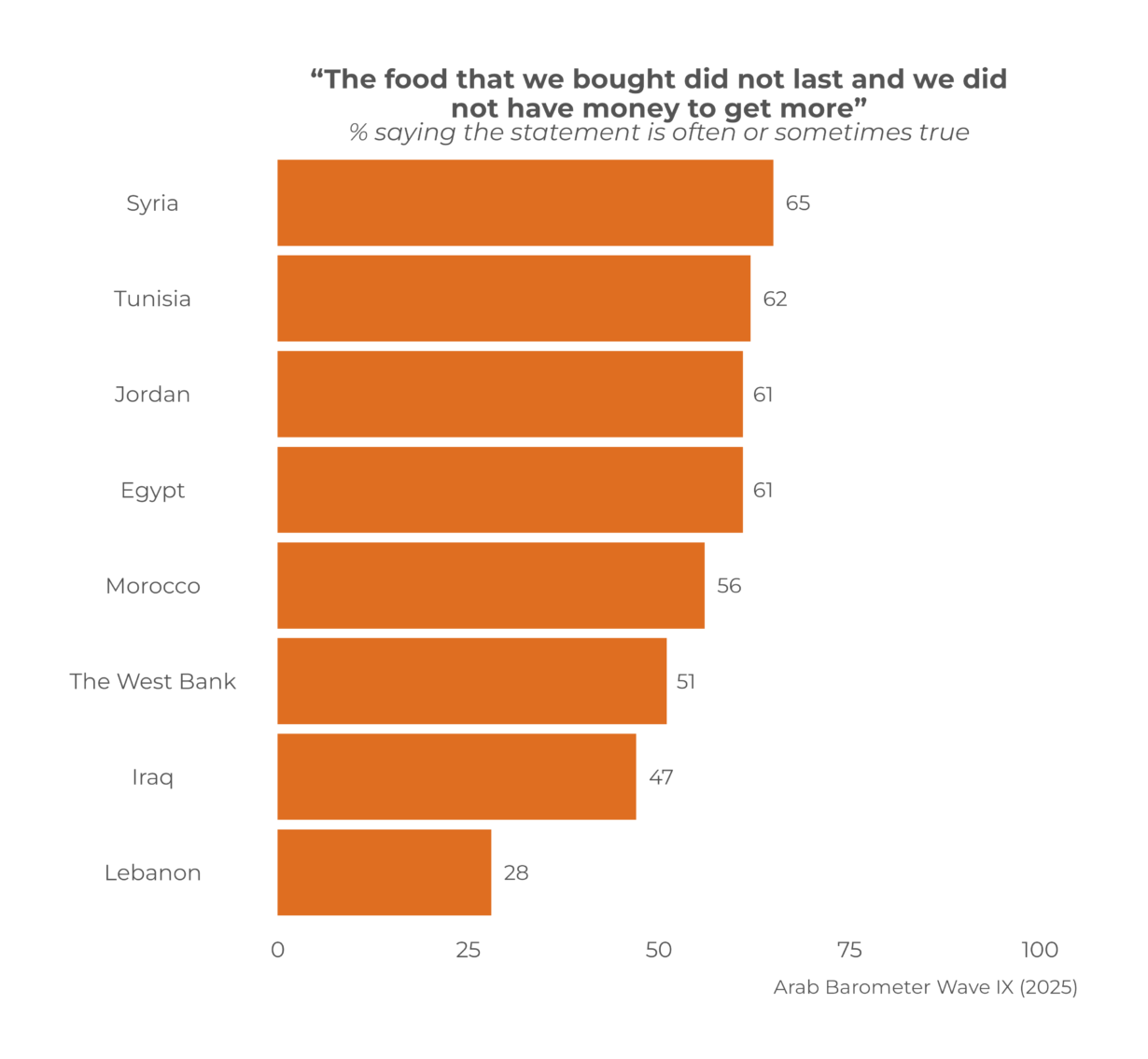
Food insecurity across the Middle East and North Africa (MENA) is already widespread and deepening. New Arab Barometer data show that large segments of the region’s population are struggling to meet basic nutritional needs. Now, the escalating war involving the United States, Israel, and Iran risks pushing millions closer to hunger, turning an already fragile situation into a more acute crisis….
What MENA Citizens Really Think of Iran’s Khamenei
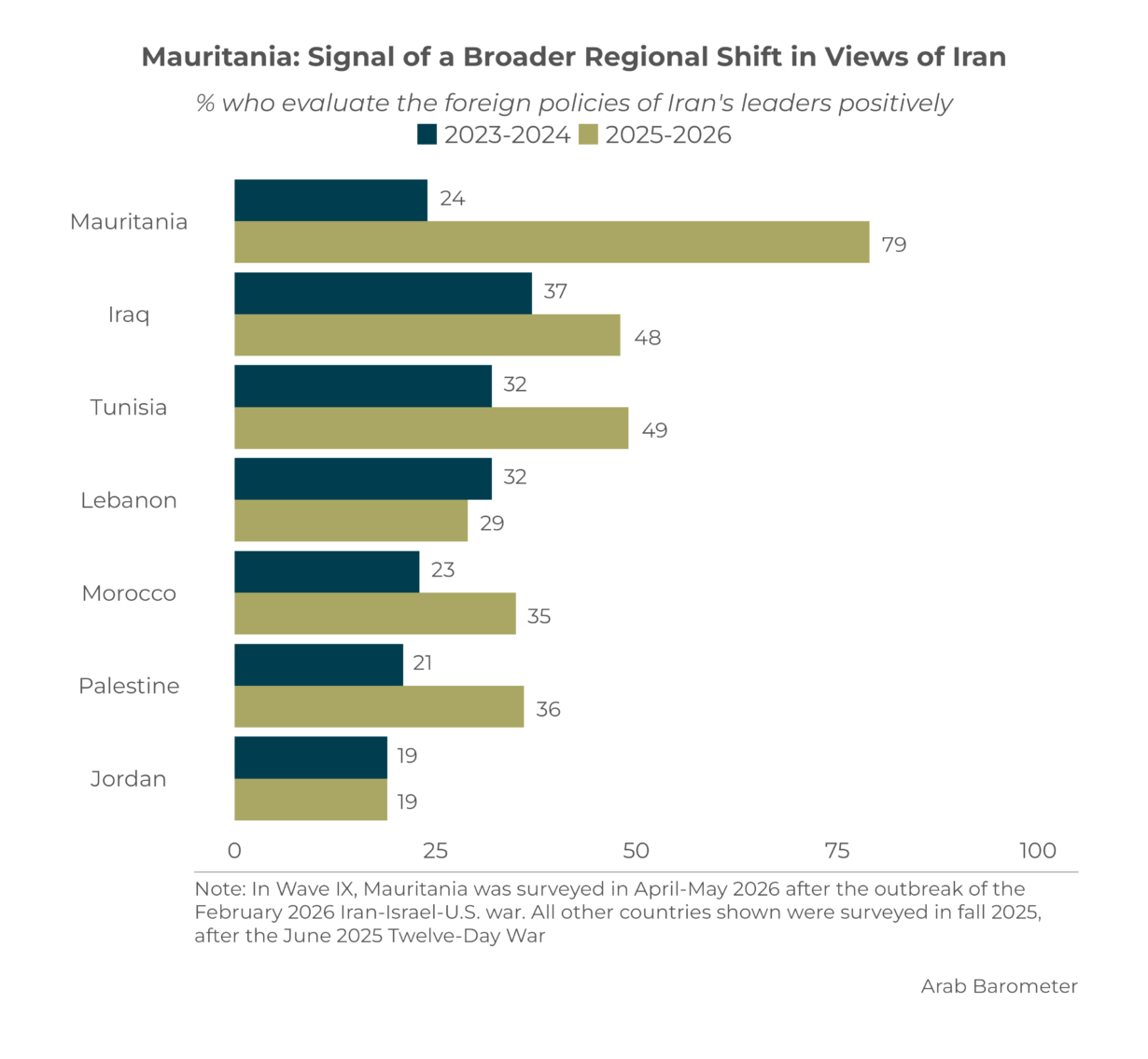
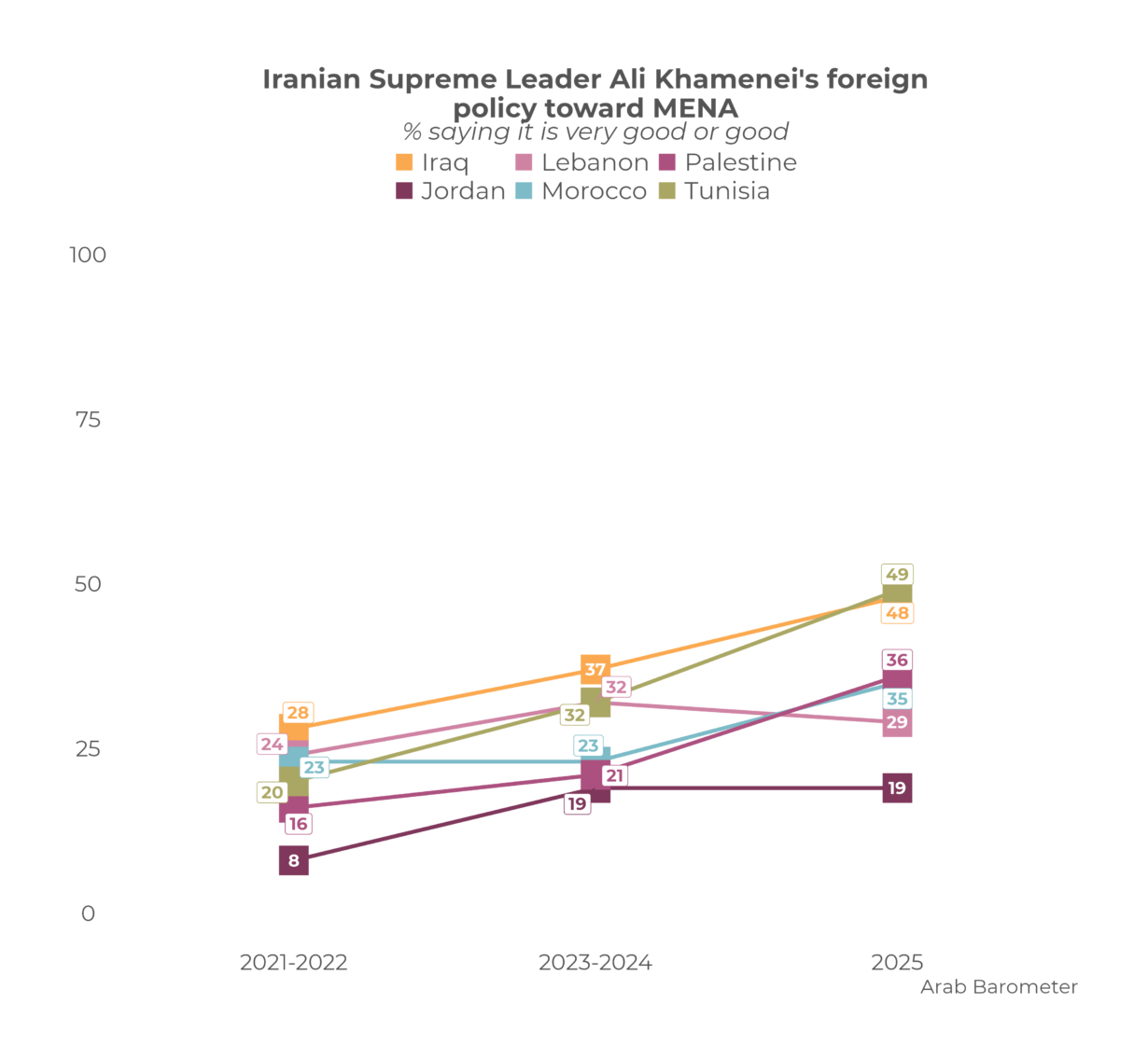
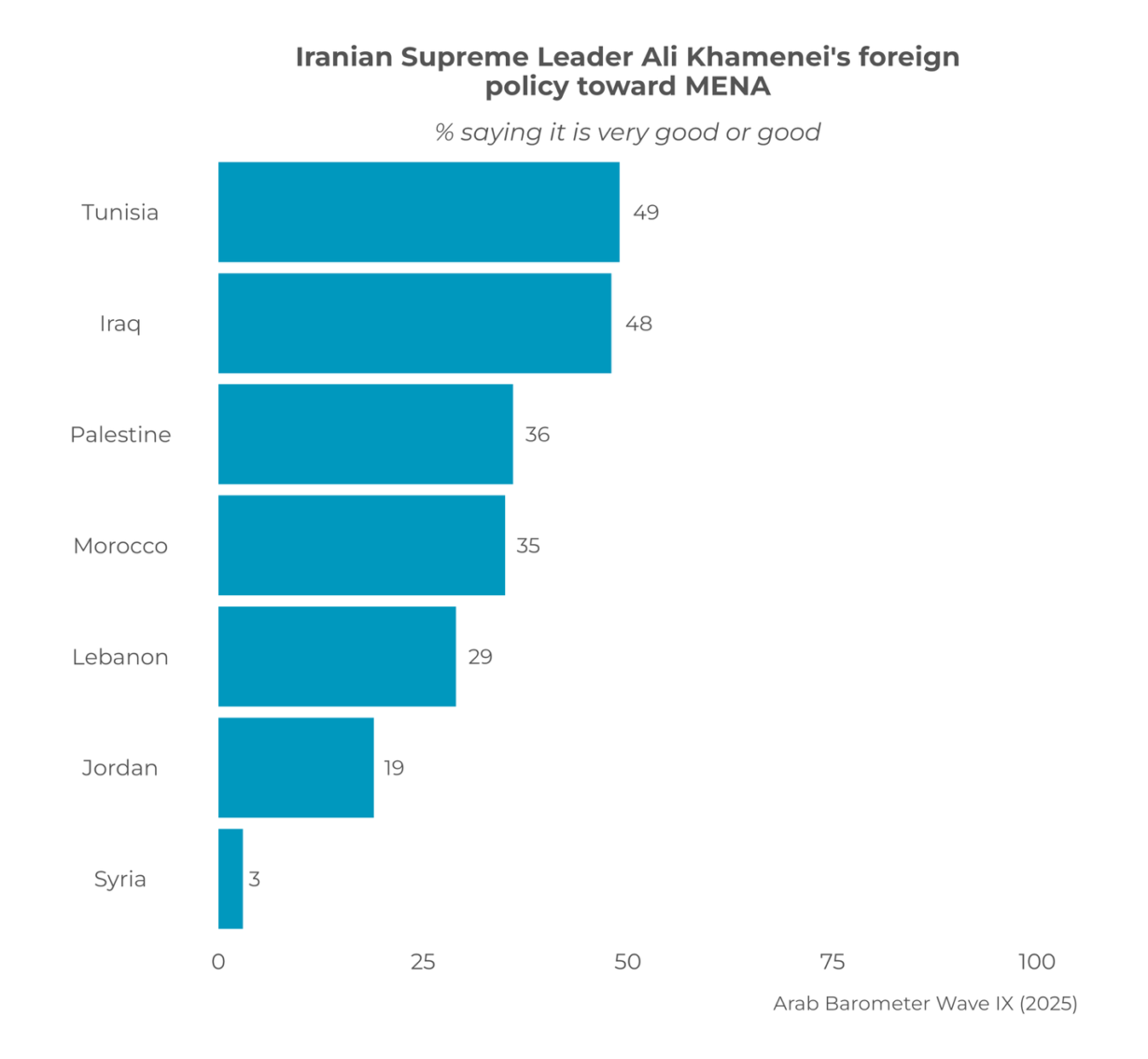
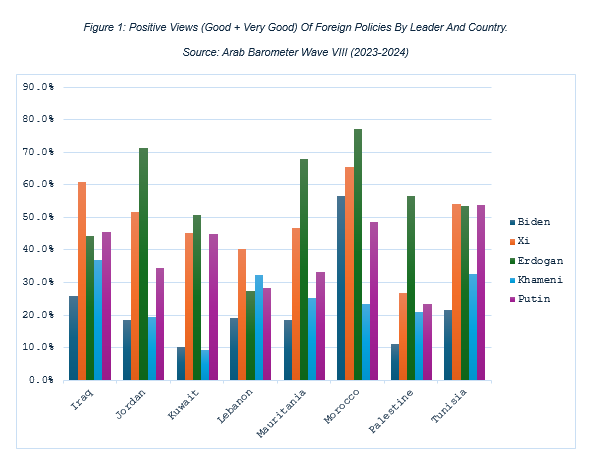
On February 28, Iranian Supreme Leader Ali Khamenei was killed by an Israeli airstrike. From September-November 2025, Arab Barometer conducted nationally representative surveys in seven Middle East and North African countries, which included questions about support Khamenei’s foreign policy toward the Arab region. In no country did a majority describe them as good or very good. However, in many countries…
Voluntary Fasting, Involuntary Hunger: Food Insecurity and Ramadan in MENA
As citizens across the Middle East and North Africa (MENA) region welcome the holy month of Ramadan, concerns over economic conditions and food insecurity loom large. In 2022, Arab Barometer reported on the pervasiveness of food insecurity in several countries across the region. Four years later, little has changed for ordinary citizens. Indeed, prolonged economic struggles, coupled with conflict and…
How Libyans See Seif al-Islam Gaddafi — and What Comes Next for Libya’s Politics
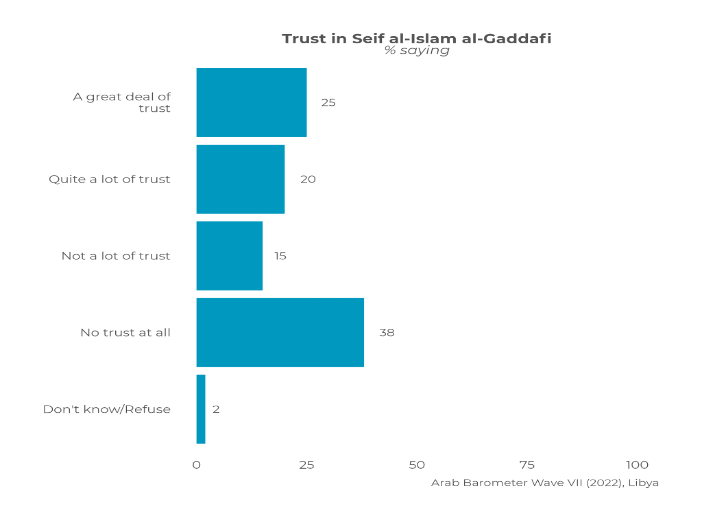
News broke on Tuesday, February 3, 2026, that Seif al-Islam Gaddafi was killed at his residence in western Libya. While his death marks the end of a controversial figure, its political significance may lie less in the event itself than in how Libyans perceive him—and what his absence means for the future of Libya’s fragmented political landscape. According to Arab…
Foreign Policy and Economics: How Arab Public Opinion Correlates with Global Leaders’ Actions
Leaders of great powers, rising powers, and regional players have long shaped the global geopolitical landscape. In the Arab world, their actions are followed closely. The region’s rich resources and growing investment opportunities make it a key arena for influence and competition. The latest Arab Barometer survey (September 2023–July 2024) shows how citizens across the Arab world view the foreign…
The Cultural Drivers of Self-Employment in MENA: Exploring the Roles of Internal Locus of Control and Religiosity
What drives individuals in the Middle East and North Africa (MENA) region to pursue self-employment: internal or external personal attributes? How do these factors vary across different countries and economic contexts? This blog presents evidence from a two-level logistic estimation encompassing 12 countries from the MENA region and using data from waves six and seven of the World Values Survey…
Arab Views on the United Nations: Navigating Conflict, Corruption, and Credibility
The United Nations (UN) plays a critical role in addressing international conflicts, particularly in the Arab world. Yet, perceptions of the organization differ widely across the region, influenced by each country’s unique experiences and priorities. Using the findings from the Arab Barometer Wave VII (2021-2022) survey, this blog explores which Arab publics hold favorable views of the UN, what they…
Trump’s Aid Cuts Sever Stalwart of U.S. Soft Power in the Middle East
The new administration’s decision risks further damaging America’s reputation in the region. Amid the whirlwind of executive orders and major policy shifts coming out of the White House, President Donald Trump’s decision to freeze the operations of the U.S. Agency for International Development (USAID), which administers most U.S. foreign assistance, threatens to have a wide impact around the world. If…
Education and Working Women in MENA
Education May Not Be Sufficient, But It Is Necessary The gender gap in workforce participation across the Middle East and North Africa is among the largest of any region in the world. In the latest Arab Barometer survey, the average difference between men and women reporting to have ever held a job is over 38 percentage points. This difference increases…
The Authoritarian Impact: Does Political Mitigation Really Matter to Egyptians?
Since Egypt promoted sustainable development and industrialization as part of the 2030 Agenda and combined this vision with the ambitious plan for megaprojects aimed at reviving Egypt’s role in the international and regional space, both economically and diplomatically, a series of structural reforms have accompanied the ecology of economic policy. The conditions imposed by the IMF to provide Egypt with…
Does Civic Participation Through Development Support Institutional Mitigation in Egypt?
Since 2023, Egypt has re-established institutional relations with civil society, both to regain trust at home and to prove to the international community that it has endeavored to moderate its political approach after years of repressive policies that have paralyzed the fabric of society. However, this political decision was taken against the backdrop of an economic crisis that continues to…
Topics
- Charity3
- Corruption119
- COVID-1969
- Democracy45
- Discrimination14
- Economy236
- Education55
- Environment37
- Extremism19
- Freedoms55
- Gender Issues161
- Governance263
- Health47
- International Relations207
- Labor Market37
- Media31
- Migration66
- Political Institutions217
- Political Participation37
- Political Systems73
- Refugees7
- Religion120
- Security42
- Social Justice45
- Wellbeing2
- Youth77